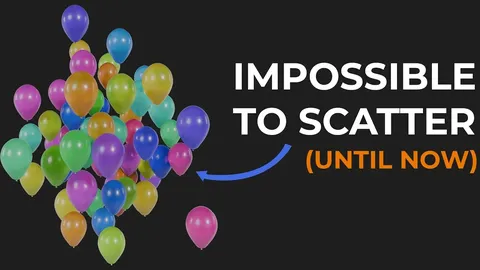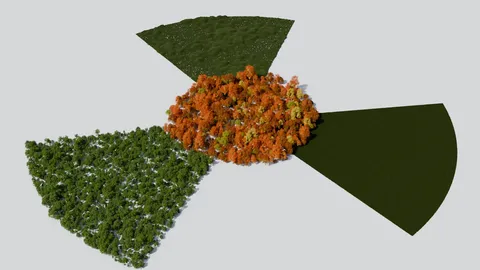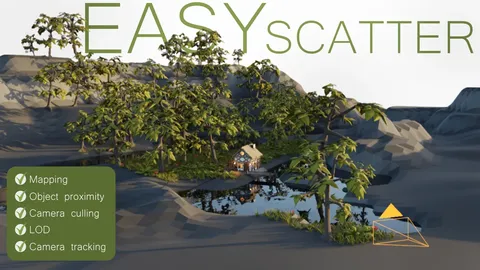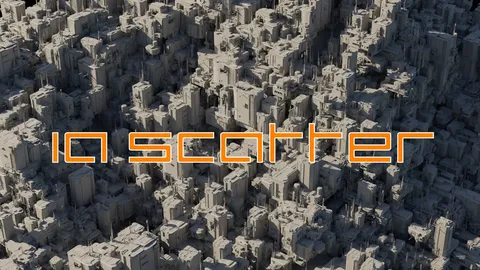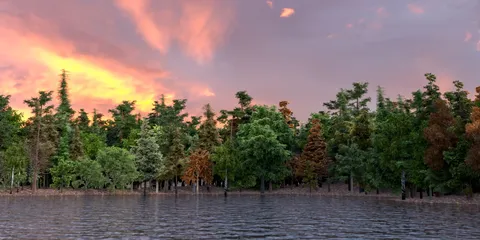
OpenScatter provides a non-destructive, layer-based workflow for distributing objects across surfaces. It supports creating multiple independent scatter layers for each target object and allows for procedural texture masking as well as ecosystem simulation based on abiotic factors.
The tool includes several features to manage viewport performance during complex scene assembly. Users can enable smart camera culling to exclude out-of-bounds instances, generate automatic low-poly proxies for the viewport, and configure independent geometry density settings for the viewport and final render. It also supports dynamic animations, giving users access to simulated wind effects and object collision interactions to make instanced environments react to scene elements.
You might also like